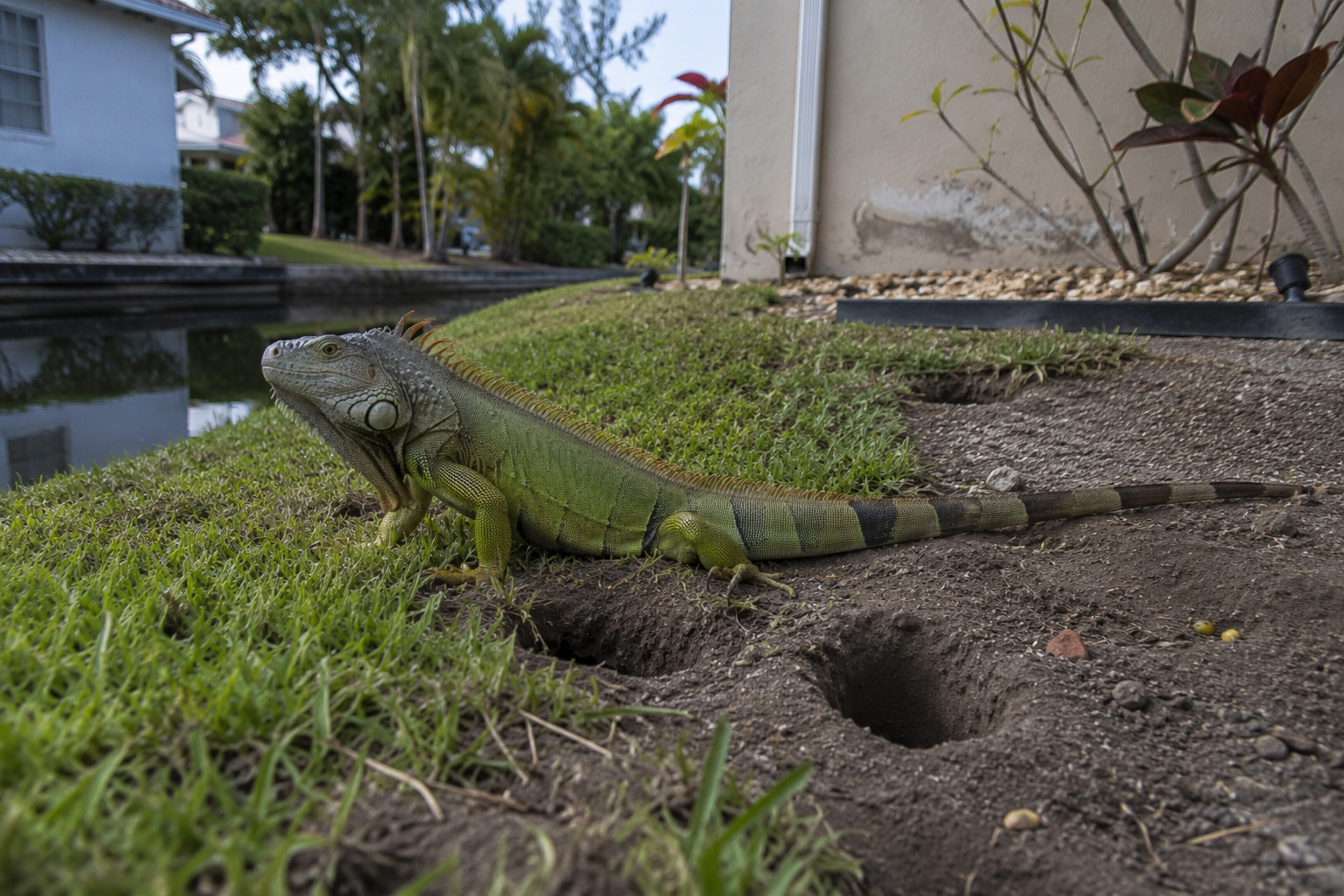
Conditions that encourage iguana activity can contribute to landscape deterioration, burrowing concerns, and repeated wildlife presence.

Cleaning grills regularly, securing trash, limiting food exposure, and managing outdoor dining areas can help reduce nighttime wildlife activity around patios and decks.

Independent teams offer more precise inspections, faster turnaround, and better familiarity with area-specific wildlife activity than large networks.

Open structures, exposed materials, and extended project timelines create conditions that allow animals to enter before construction is completed.
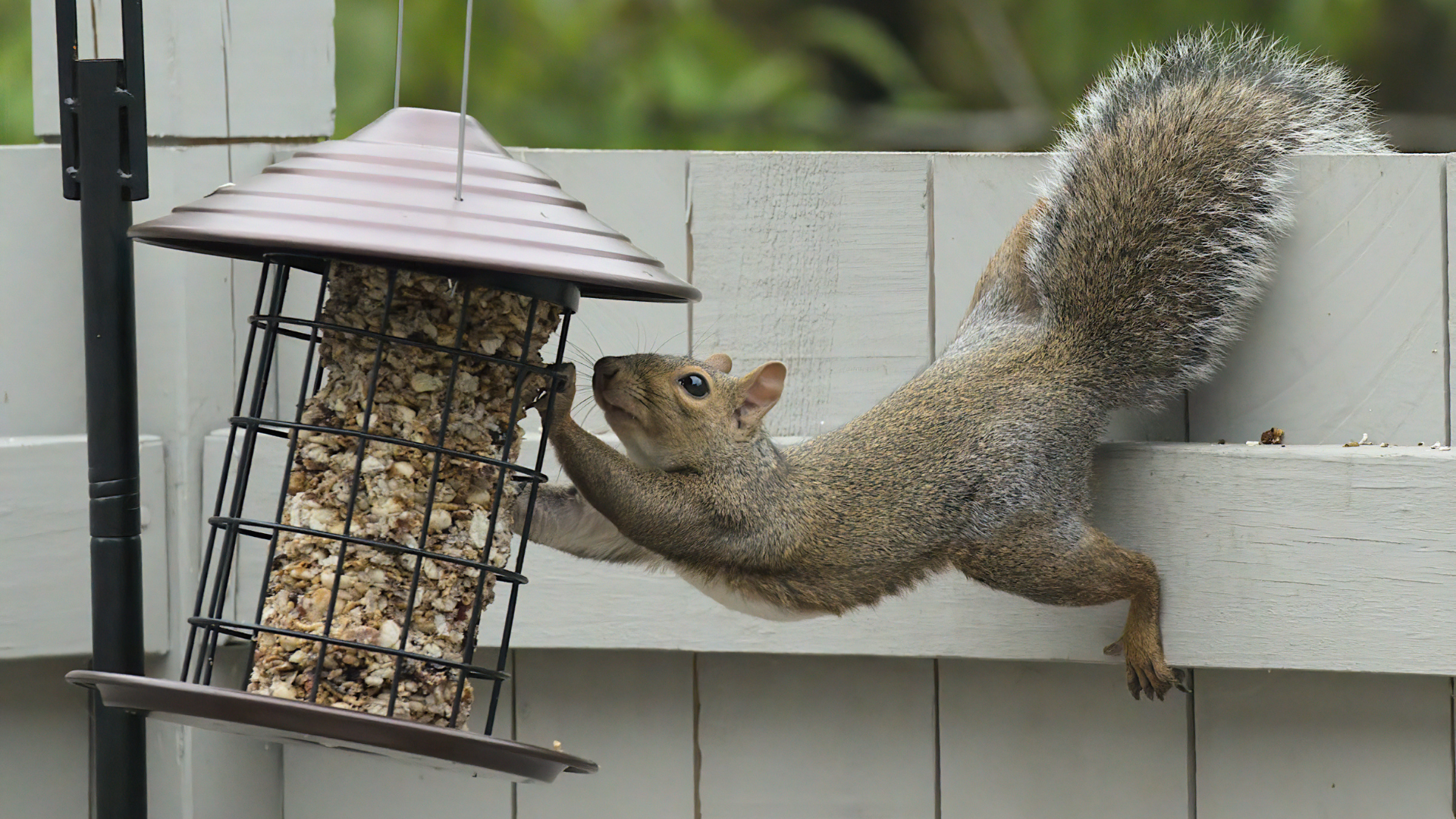
Seed accumulation, predictable feeding schedules, and increased ground activity draw non-target animals into nearby structures and outdoor spaces.
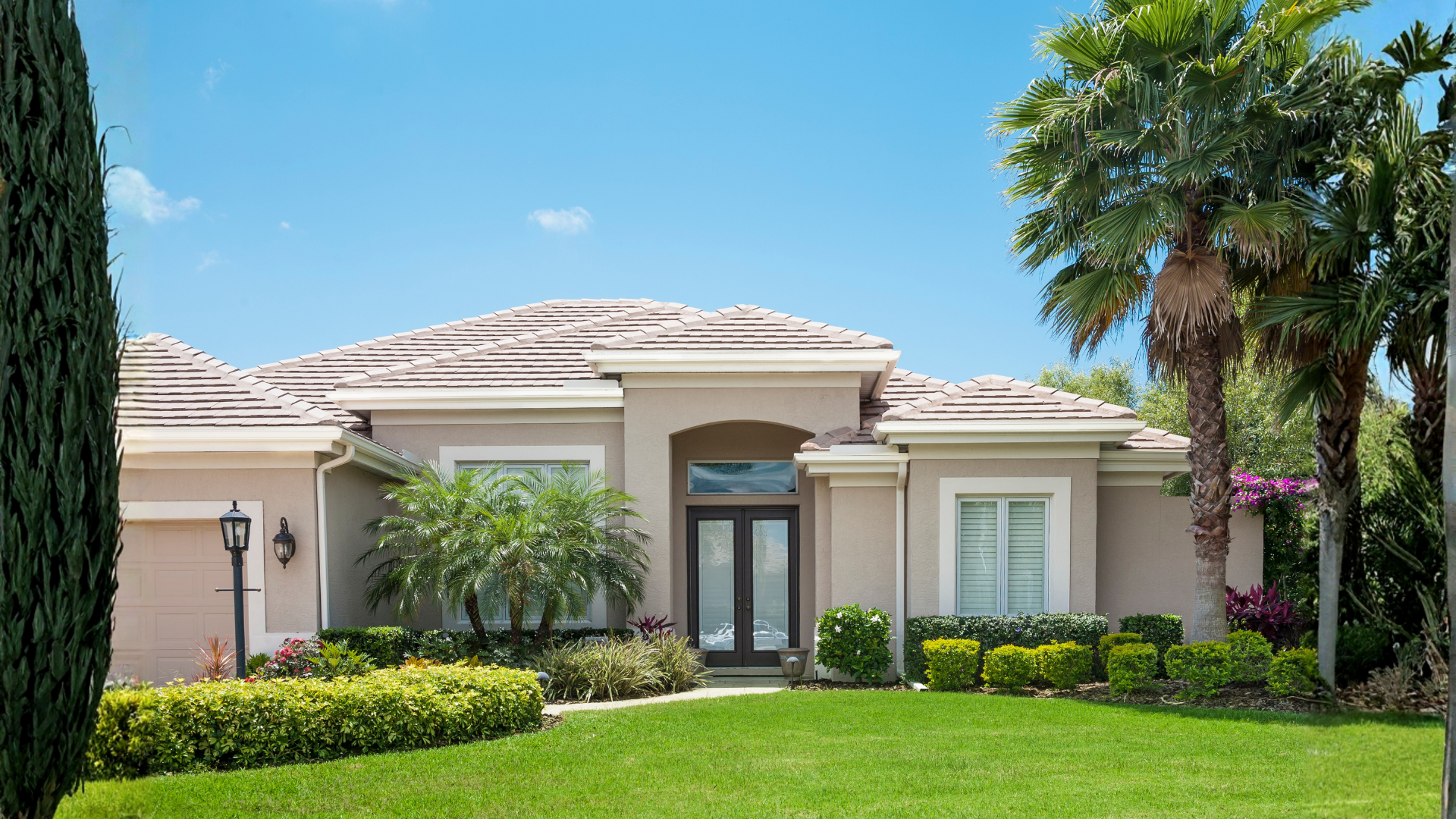
Exterior features function as access routes.
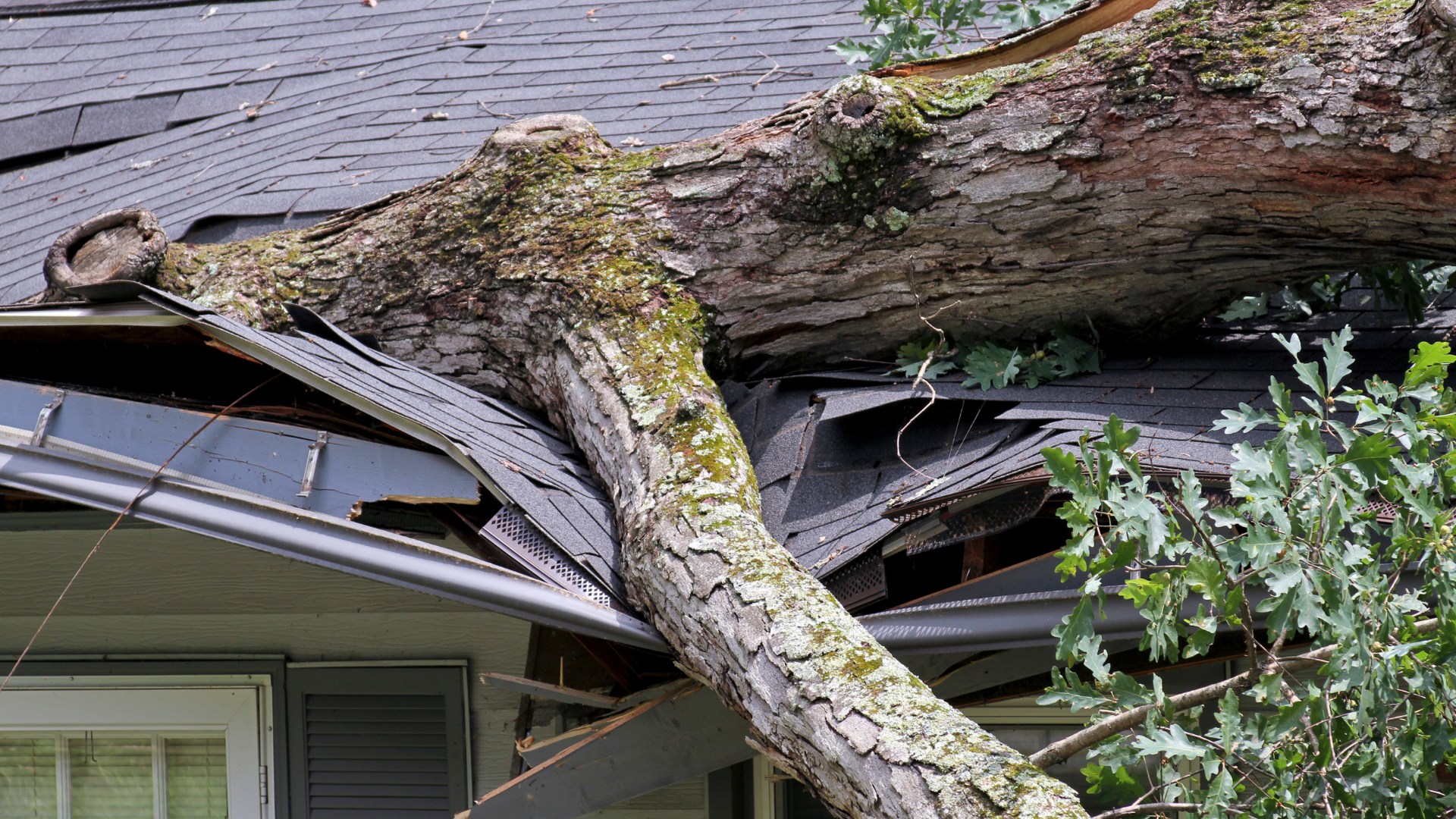
Temporary openings invite quick intrusion.
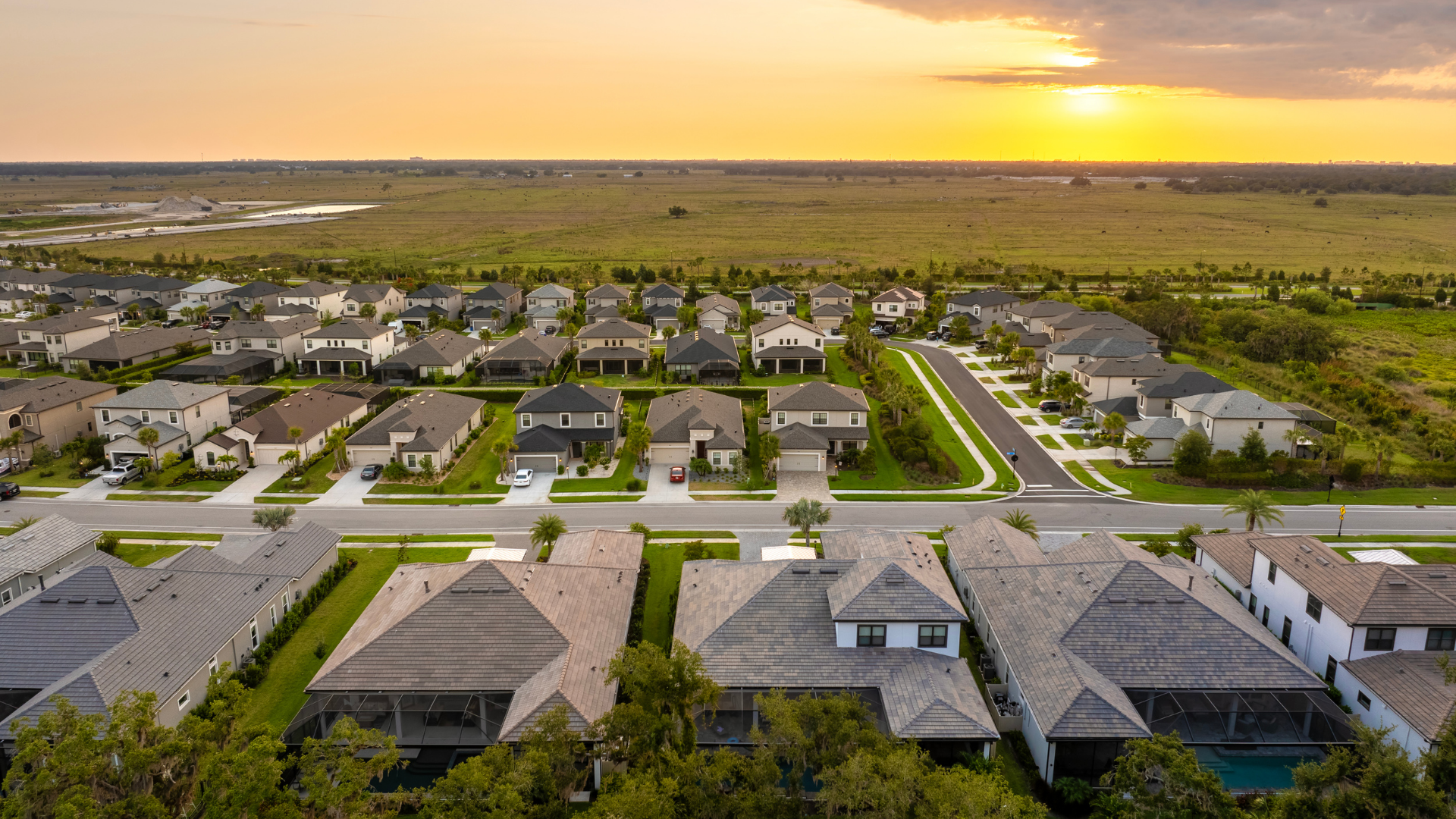
Common areas require proactive inspection and coordination across units.
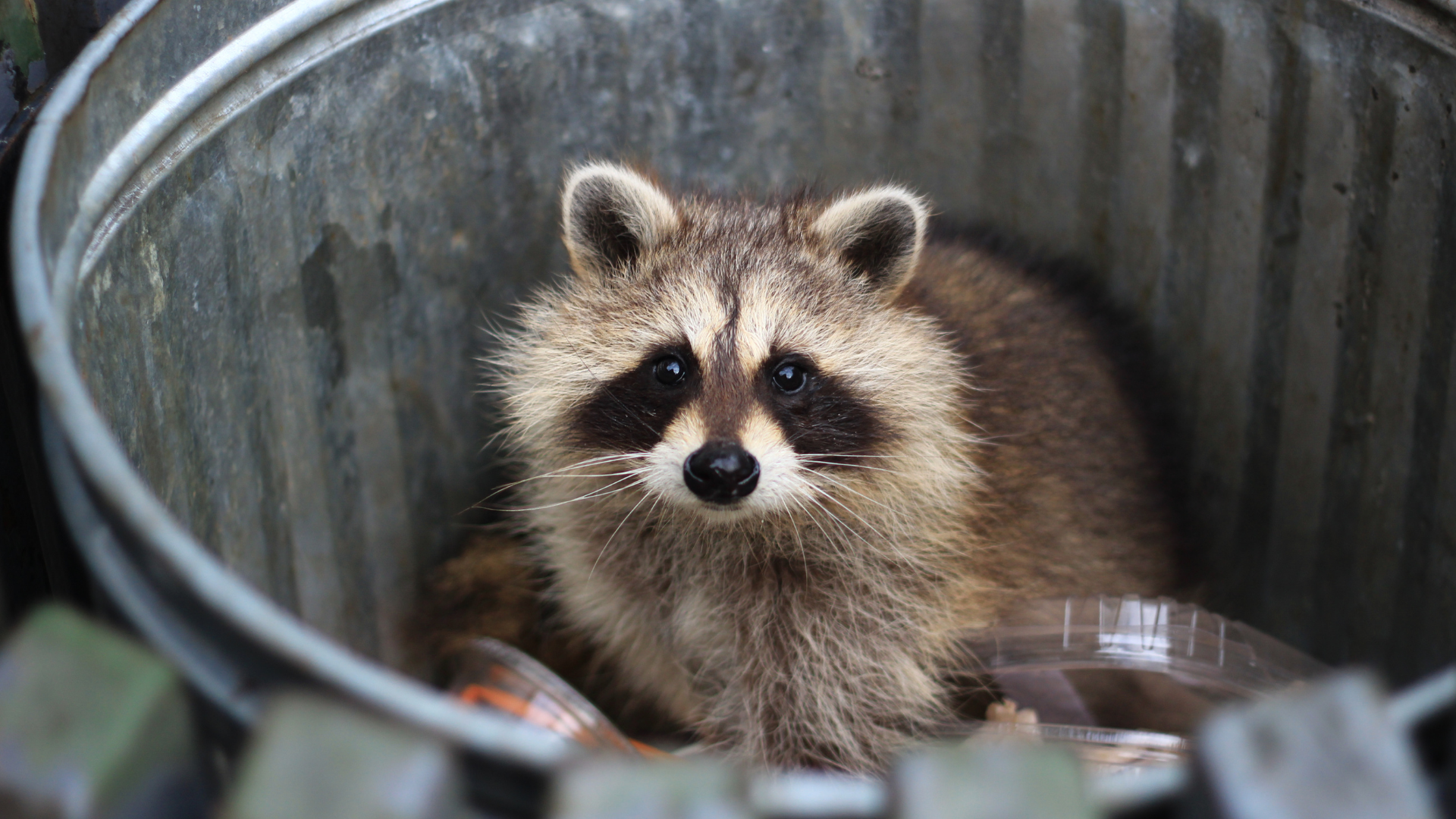
Open trash cans, pet food, and easy shelter make your property an ideal raccoon hangout.
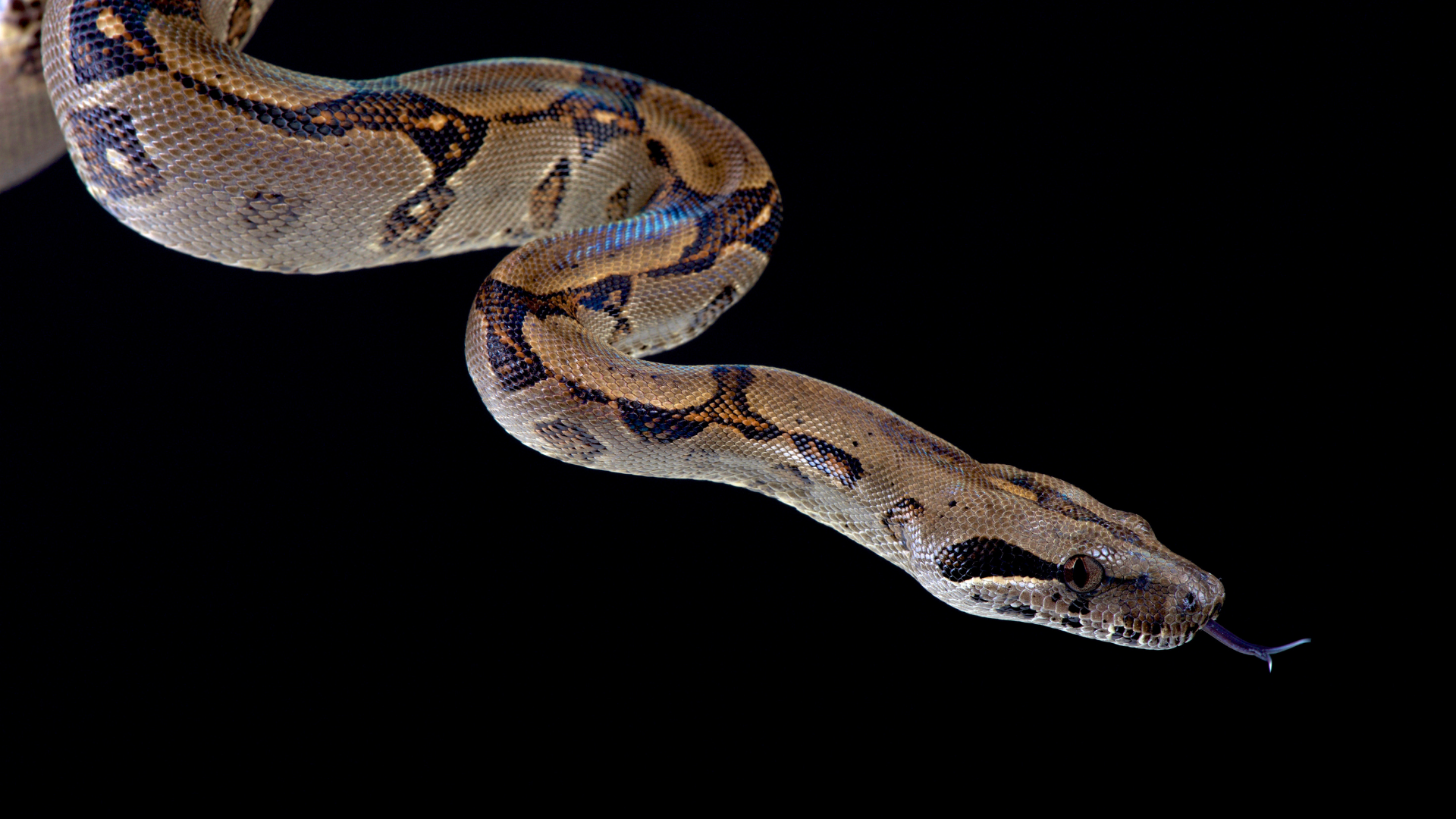
What begins as fascination often ends with injury, disease, or animal suffering.